
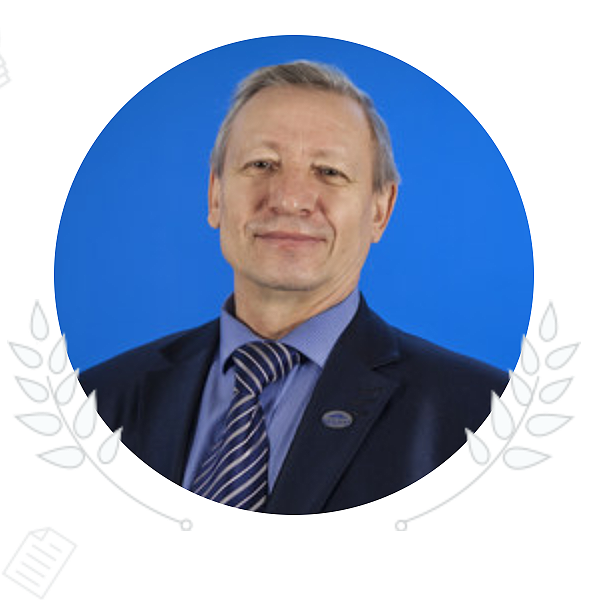

People often ask how I came to mathematics. My path was hardly unique. Everything I achieved was made possible by my schoolteacher and, perhaps, perseverance.
Childhood
I was born in Izhevsk. I spent my childhood at Begishevo railway station in the Zainsk district. It was there, 50 years ago, that I finished Begishevo Secondary School.
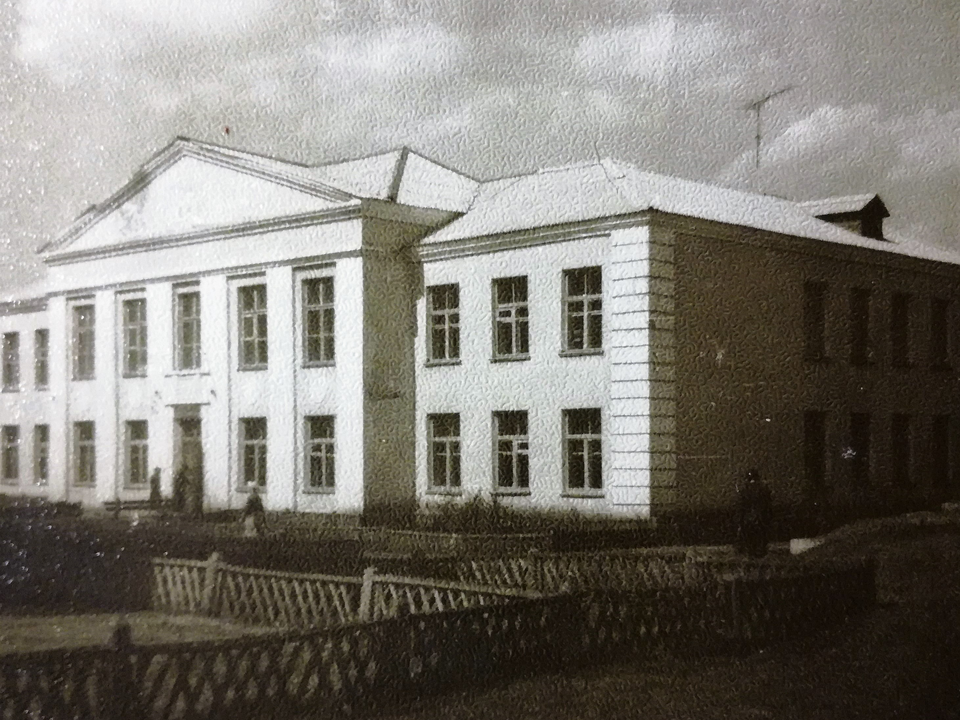

My mathematics teacher, Yabbar Subkhanovich Valeyev, was a warm-hearted person and an excellent teacher. He knew how to motivate me: in Grade 7 he gave me a thick collection of advanced problems by Konstantin Shakhno, and over two years I solved every problem from cover to cover. I also worked through the school textbook independently, ahead of the class. That is why I now encourage my university and school students to work independently.
In Grades 7–10 I regularly won district Olympiads and took part in republic-level Olympiads in almost every natural science subject. When I won in mathematics, physics, chemistry and biology in Grade 10, I faced a difficult choice. Mathematics won out.
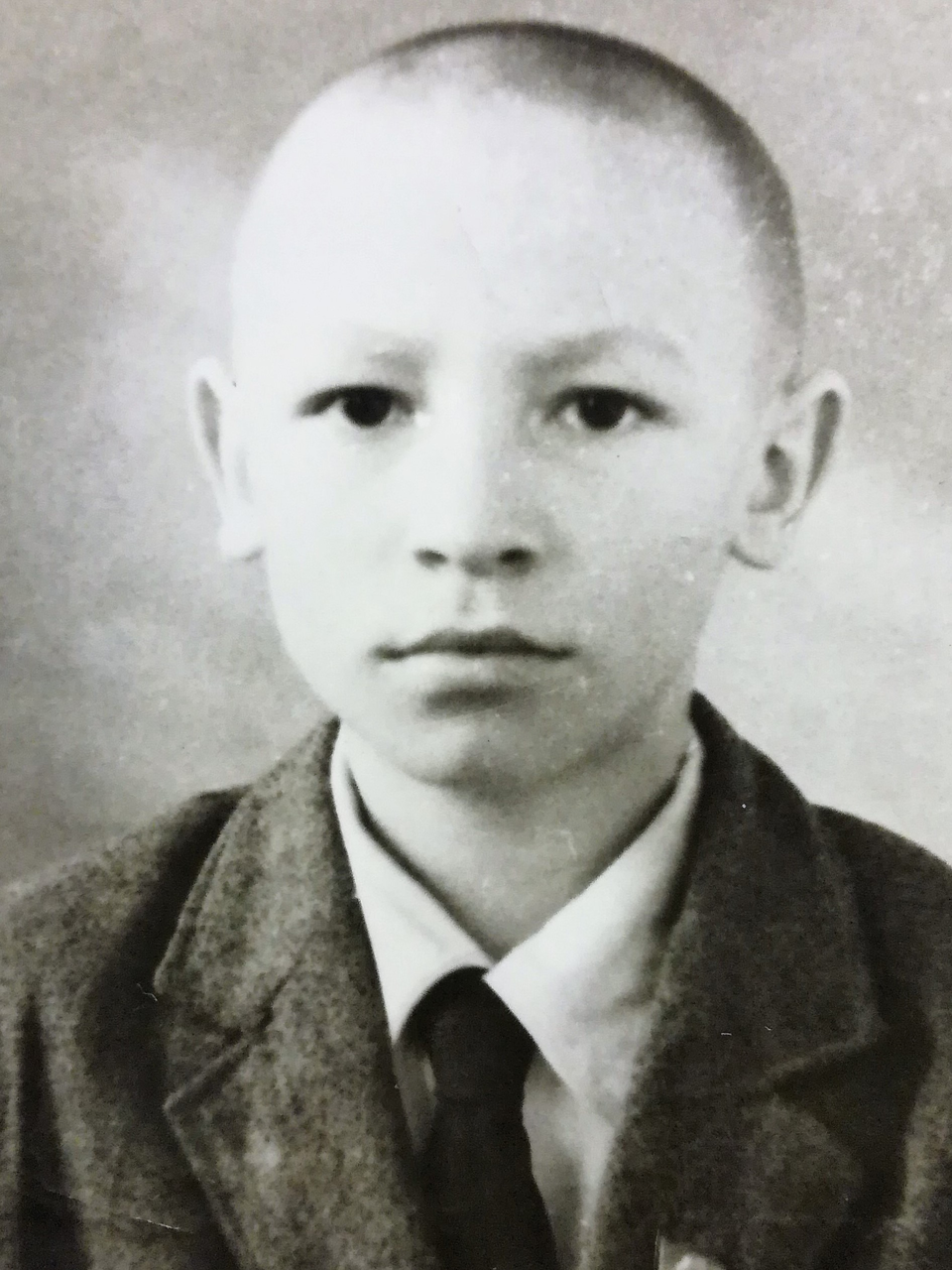

I finished school with a gold medal and entered the Faculty of Mechanics and Mathematics at Kazan State University. After completing postgraduate study in 1975, I came to Yelabuga and have worked there ever since, at Yelabuga Pedagogical Institute, now a branch of Kazan Federal University.
My university
I defended my Candidate’s dissertation on developing future mathematics teachers’ understanding of history and teaching methodology. The new educational standards give this issue particular attention.
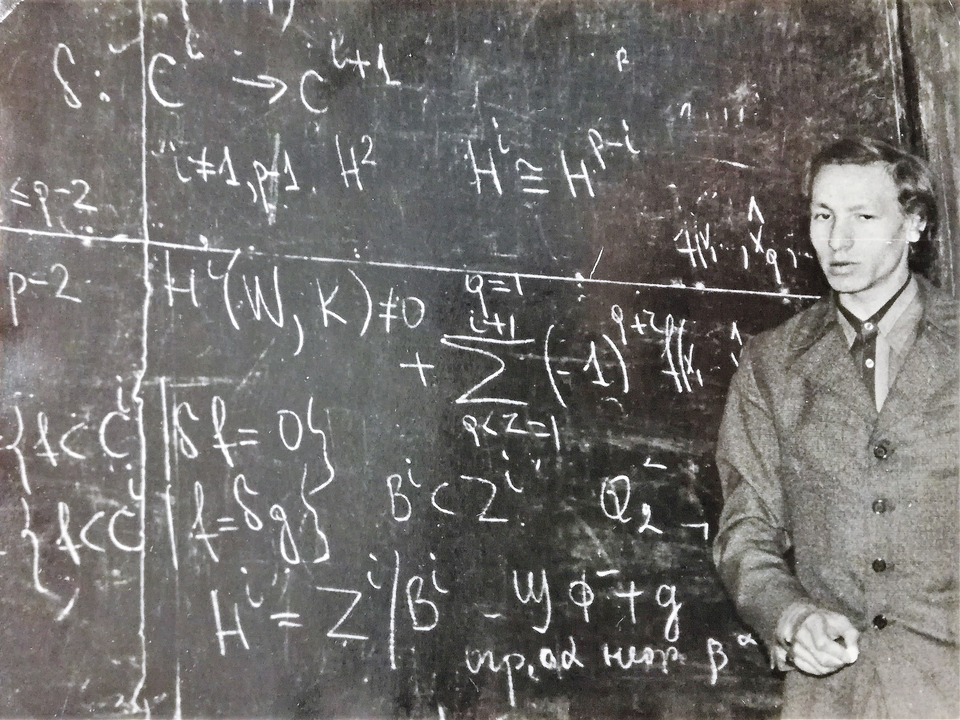

My wife, Tatyana Novozhenina, taught mathematics teaching methodology at our institution for 30 years. We studied in the same group at Kazan State University. Our son graduated from our Faculty of Physics and Mathematics, defended a Candidate’s dissertation in technical sciences, and works in information security in Moscow. Our daughter is the exception: she chose the humanities, English and journalism.
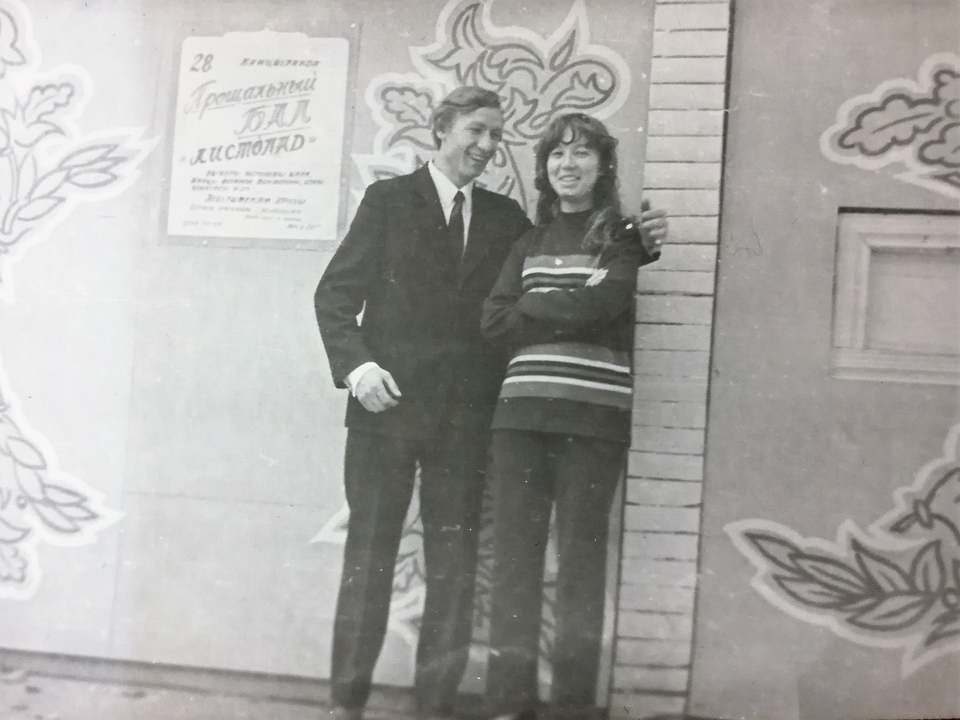

In the 1980s my wife and I took part in mathematics teaching-methodology competitions. She prepared the students, and I took them to competitions in the Volga region, where they successfully won.
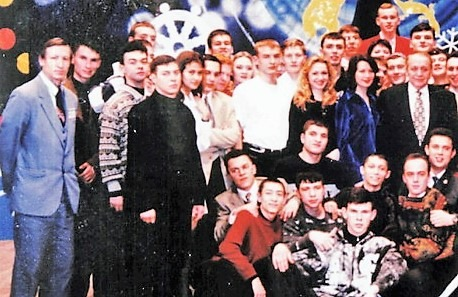
Later I began working on student development at the institute, serving as (First) Vice-Rector for Student Development in 1993–2003. KVN, the team comedy competition, became one way of bringing young people together. It was a distinctive form of preparing future leaders: KVN participants eventually become fairly well-known people. In 1997 our team won the title of Tatarstan Champion. Since then I have been virtually inseparable from KVN, a regular jury member, and people call me the “father of Yelabuga KVN.”

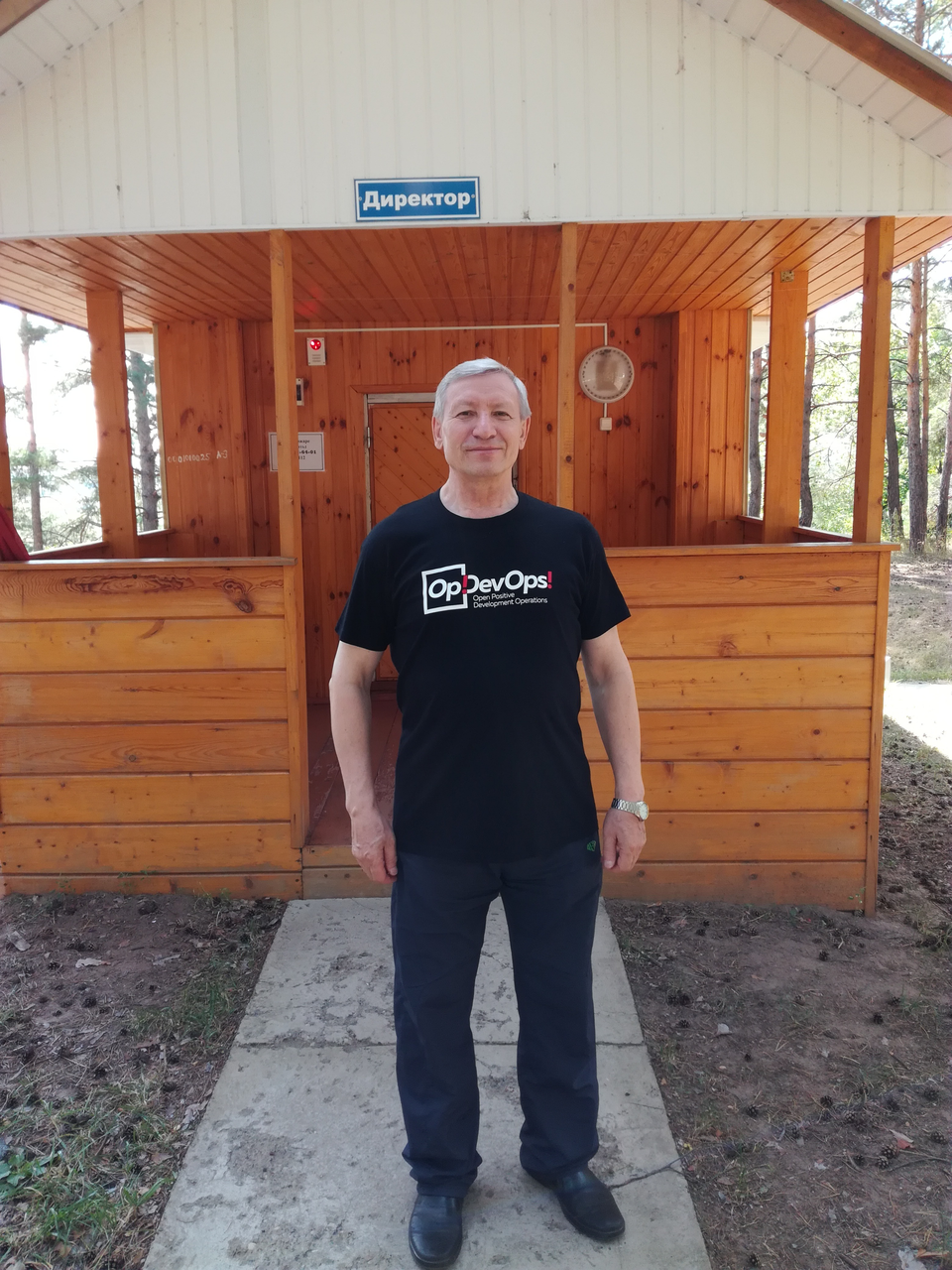
For the last nine years I worked as director of the Republic Summer School of Physics and Mathematics, founded in 2014. To all its participants and counsellors — our students — I am now Mansur-abyy, “the director.”

Academic work
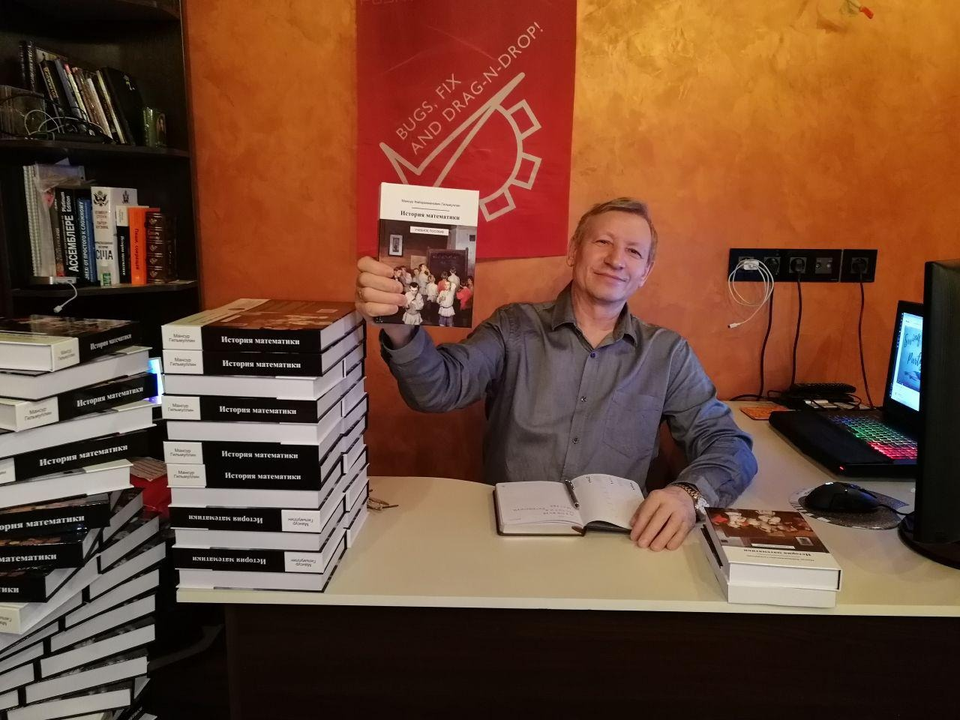
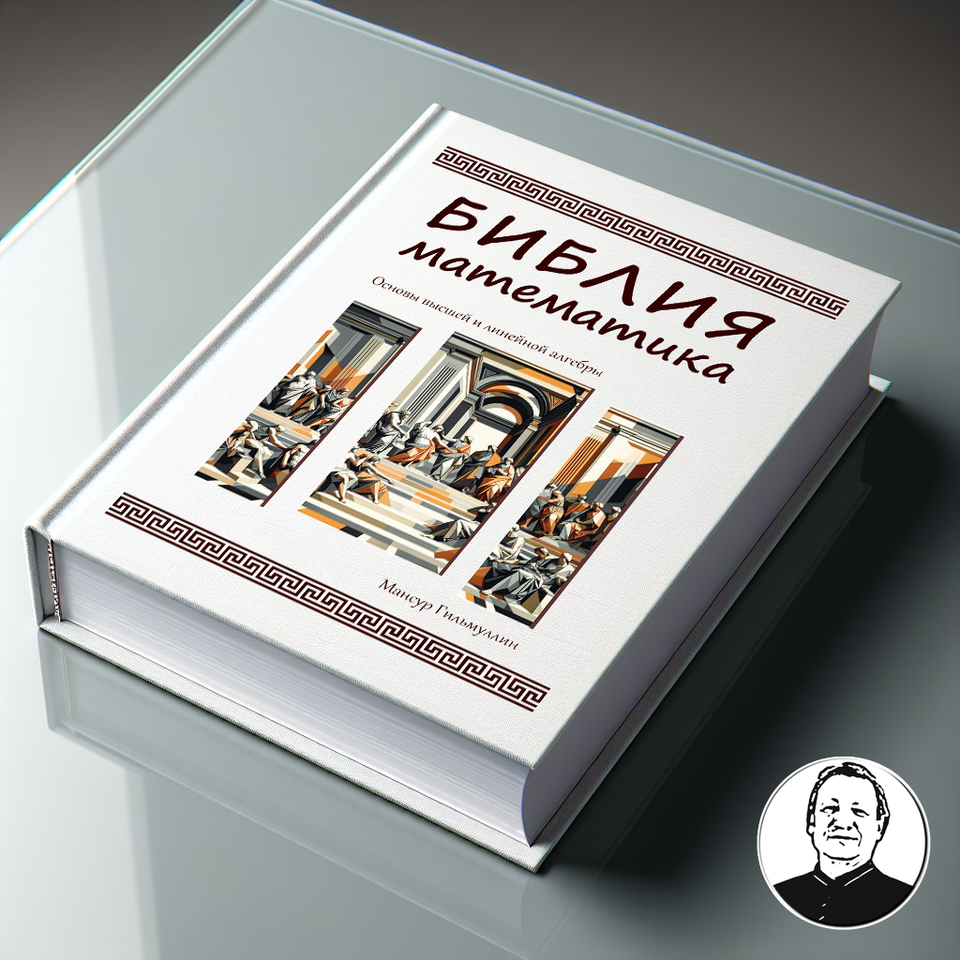
My main faculty course was algebra, which I taught for more than 40 years. From 1990 I also taught the history of mathematics. In 2008 I published a textbook, “History of Mathematics,” suitable for mathematics lessons in schools and universities. In 2018 we produced an expanded second edition with colourful illustrations. Also in 2018, I published a problem book to accompany the textbook. In 2024 came “The Mathematician’s Bible”: the foundations of algebra, without which no science or reliable applied system can be built.


I have also written more than a hundred academic publications. In addition, dozens of my articles on popular science, mathematical history and local history have appeared in the media. Gradually a critical mass of material about the history of mathematics and its applications accumulated, and I began a blog on the “Mathematics with Mansur-abyy” Telegram channel. Students use its material for study, while school and university mathematics teachers use it to give their teaching a cultural and historical background.
A final thought
As the French mathematician Poisson once said, “Life is adorned by two things: doing mathematics and teaching it.” That is true for me too. There is, however, a third part of my life: studying the history of mathematics.
I will end my account with the words of a celebrated poet:
On the footboard of rushing today,
For tomorrow’s sake, I ride into yesterday.
Back — to stand beside the future!
Back does not mean retreat.
Yevgeny Yevtushenko, Kazan University.