
When people discuss the history of mathematics, they usually think of Egypt, Babylon, India and Greece. Yet this history followed another equally remarkable route, through the cities and temples of ancient Mesoamerica. Here the Maya developed positional number notation independently of the Old World, with a special sign for zero, or an empty place. This was neither an abstract symbol of “nothing” nor a vague idea of absence, but a practical element of calendar and numerical calculation.
Maya civilization occupied what is now Mexico, Guatemala, Belize and part of Honduras. It left pyramids, reliefs and hieroglyphic inscriptions, but also a sophisticated culture of calendars and astronomy. In this world, numbers were not an abstract intellectual game but the language of time: they counted days, recorded reigns and connected rituals with the movements of heavenly bodies. Maya mathematics developed within life itself.
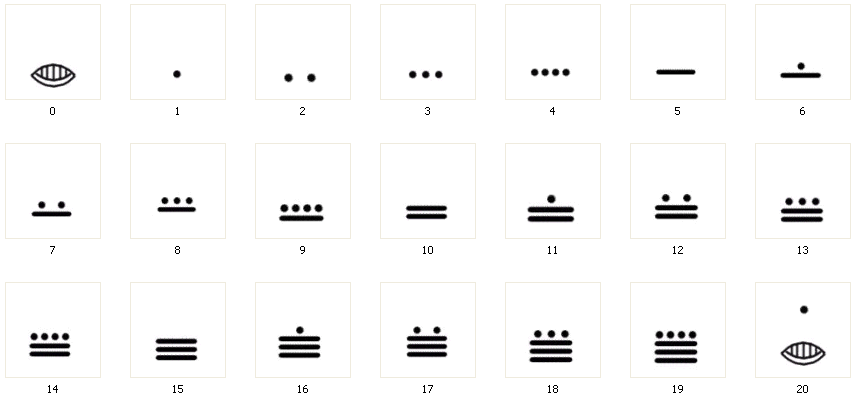
Maya mathematics was sufficiently advanced for practical calculation. Their number system was vigesimal, or base twenty. At first glance it seems simple and elegant: a dot meant one, a bar meant five, and combinations of these signs represented numbers from 1 to 19. That simplicity is deceptive. The system’s chief strength lay in its notation principle rather than its symbols: numbers were built by place value.
In timekeeping, the lowest level represented days, the next twenties, and further places extended upward. In the Long Count, however, 20 k’ins made a winal, and 18 winals made a tun of 360 days. Maya calendar notation was therefore not simply a sequence of powers of 20: it was adapted to timekeeping. This created a more convenient calendar framework connected with the idea of a year. It is an important detail: Maya mathematics was not pure abstraction; it was shaped by real computational tasks.


The zero sign is particularly interesting. The Maya usually depicted it as a shell. In a numeral it represented an empty place: a position that needed to be recorded even though its quantity was zero. This seems familiar to us because we grow up with positional notation. In the ancient world, however, it was far from universal. The commonly used number systems of Rome, Greece and Egypt did not develop a fully fledged zero sign in positional notation in our modern sense. The Maya had zero.
Their zero was also more than a pause or a gap between signs. Babylon, for example, had ways of indicating an empty place, but the sign did not become a number in its own right. For the Maya, zero was built into the structure of notation and calendar reckoning. This does not make their system “modern” in our sense, but it shows how mature it was for its purposes.
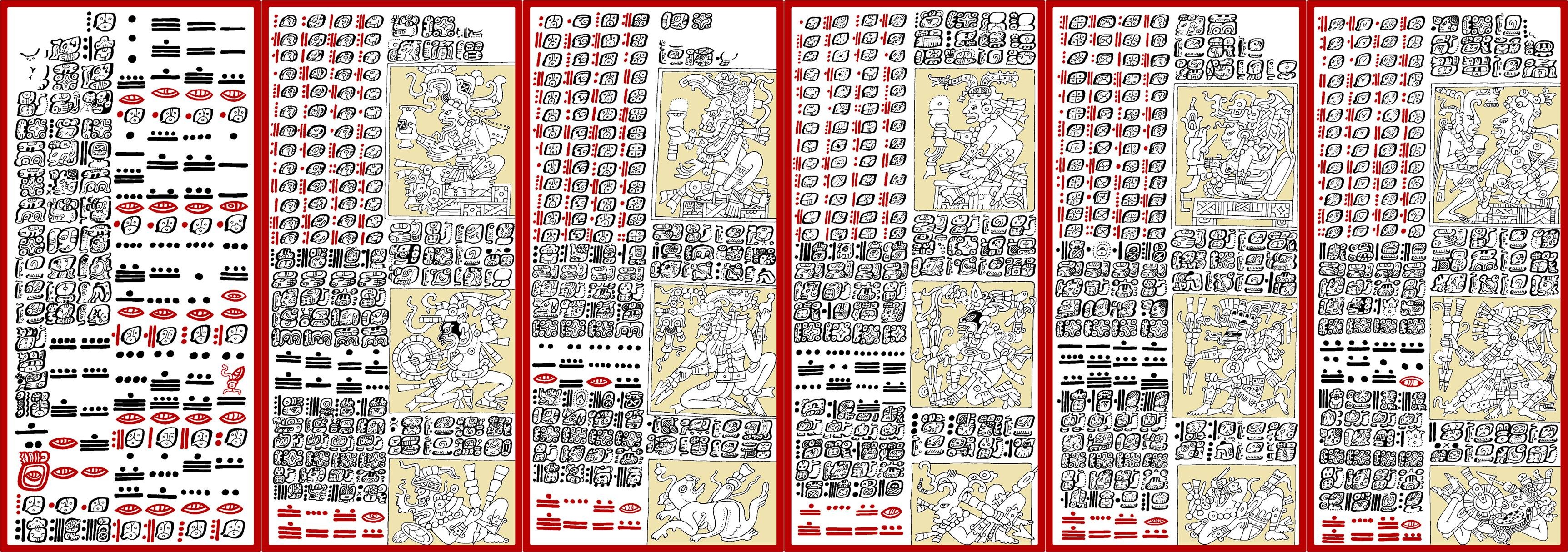
The calendar reveals Maya mathematics most clearly. They had several calendar cycles. The best known are the tzolk’in, a ritual cycle of 260 days; the haab, a solar cycle of 365 days; and the Long Count, which recorded dates across long spans of time. The Long Count shows particularly well why zero was needed. A notation such as 9.15.0.0.0 looks almost modern: every place has a position, and the absence of a value in certain places cannot simply be skipped but must be explicitly marked.
This system used specially named units of time: k’in, a day; winal, 20 days; tun, 360 days; k’atun, 7200 days; and b’ak’tun, 144000 days. This alone shows an orderly computational tradition rather than a random collection of symbols. Zero was not an ornament or a philosophical metaphor, but a working tool. Without it, this notation would quickly have become cumbersome and ambiguous.
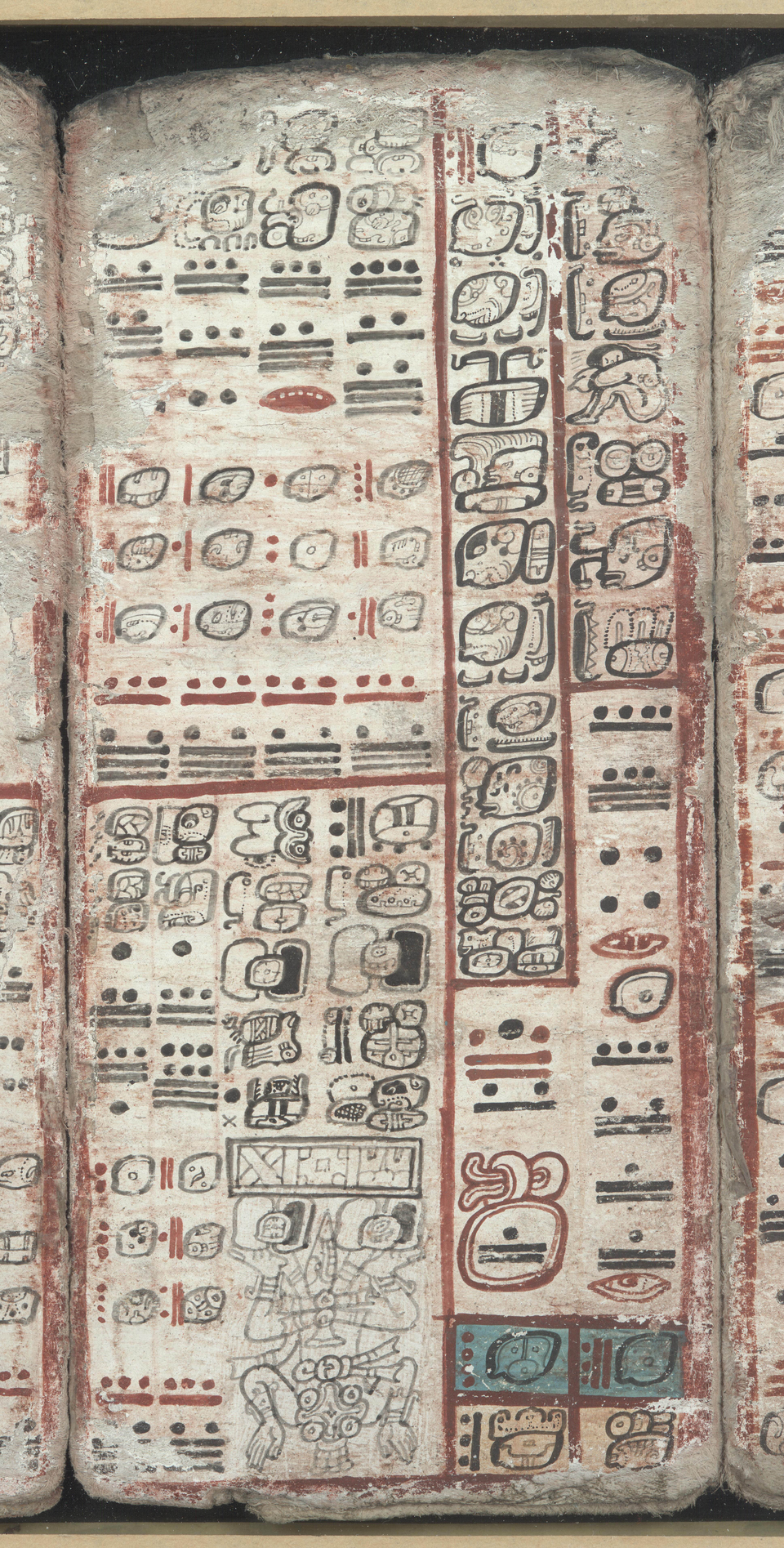
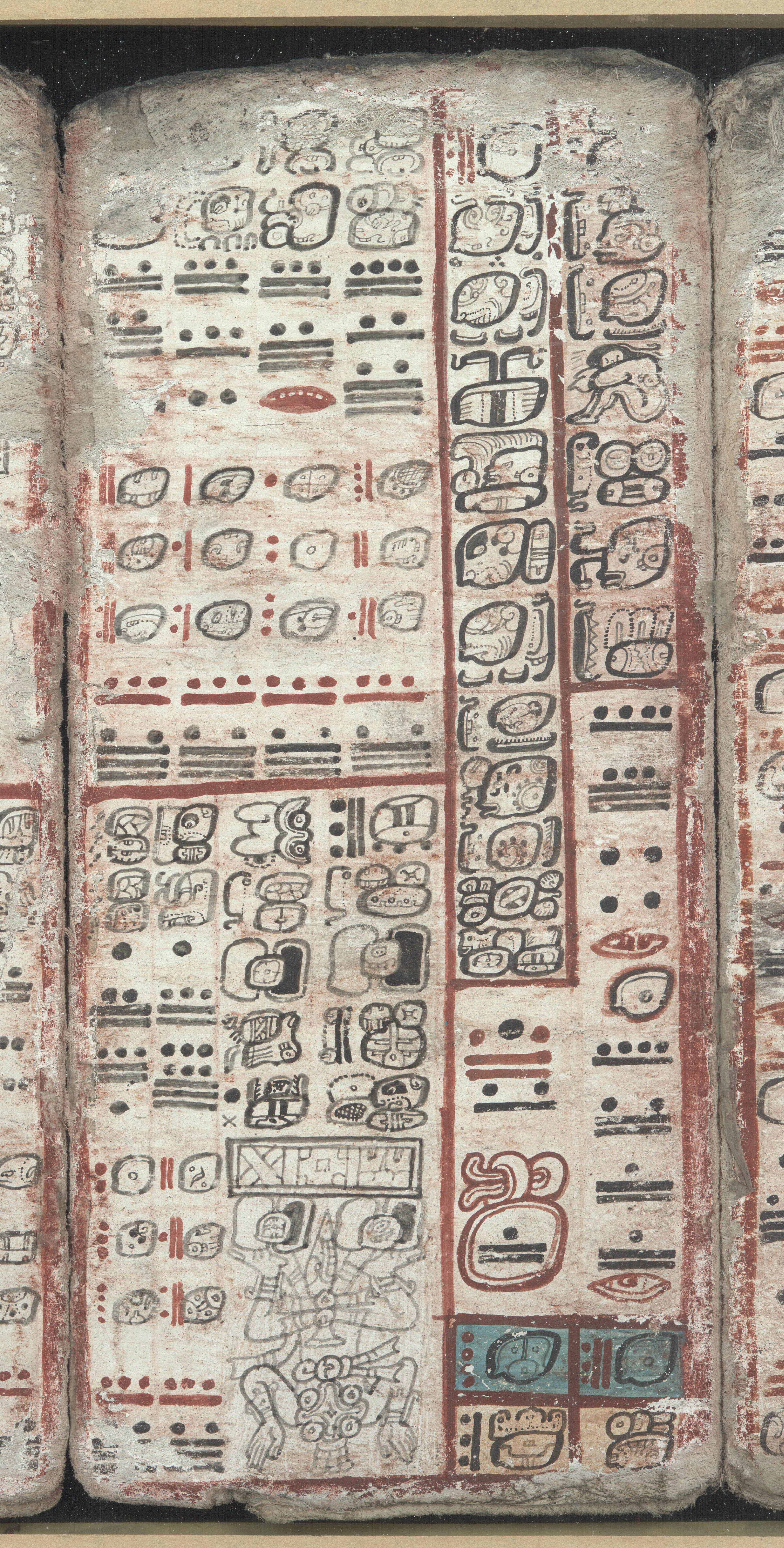
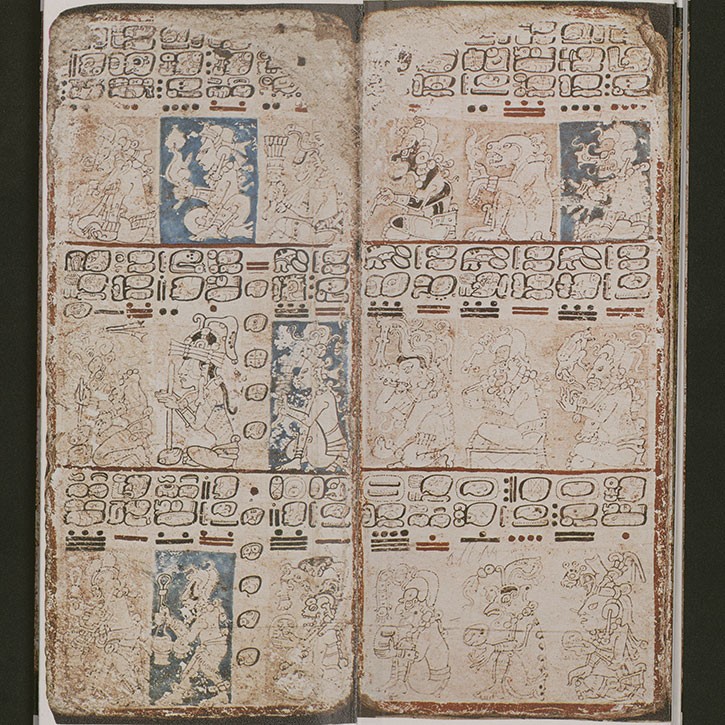
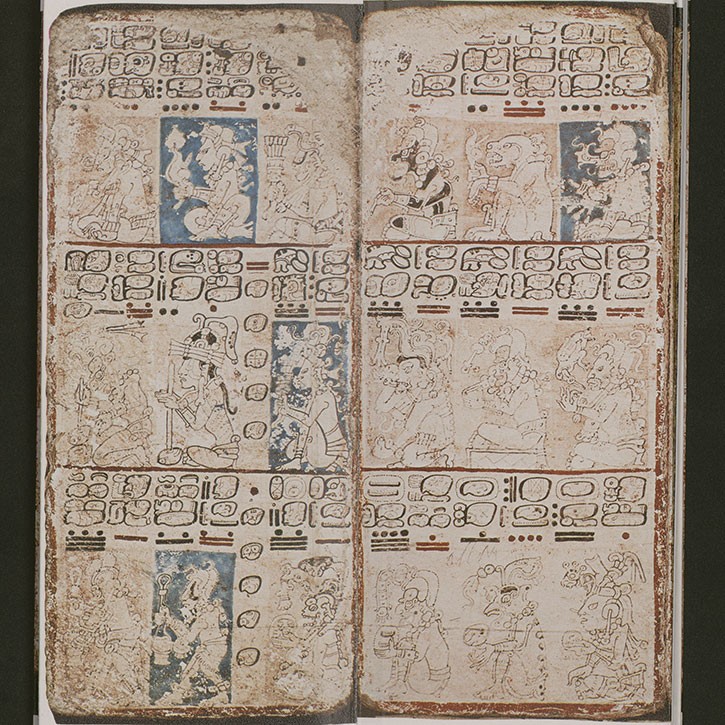
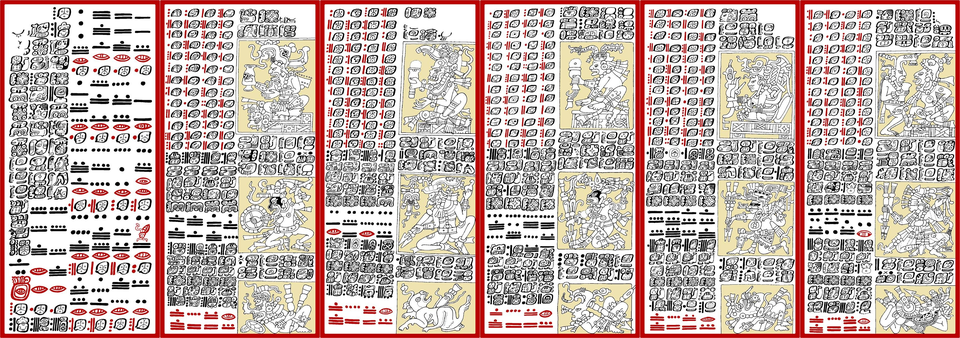
The Dresden Codex is one of the most remarkable Maya documents. It is among the few surviving Maya codices and the most complete source on their astronomy and calendar. It is now held in the Saxon State and University Library in Dresden. It contains calendar, ritual and astronomical tables, including tables connected with observations of Venus. For mathematical history, these tables are especially significant because they show a numerical culture sufficiently developed for long, systematic and accurate sequences of calculation.
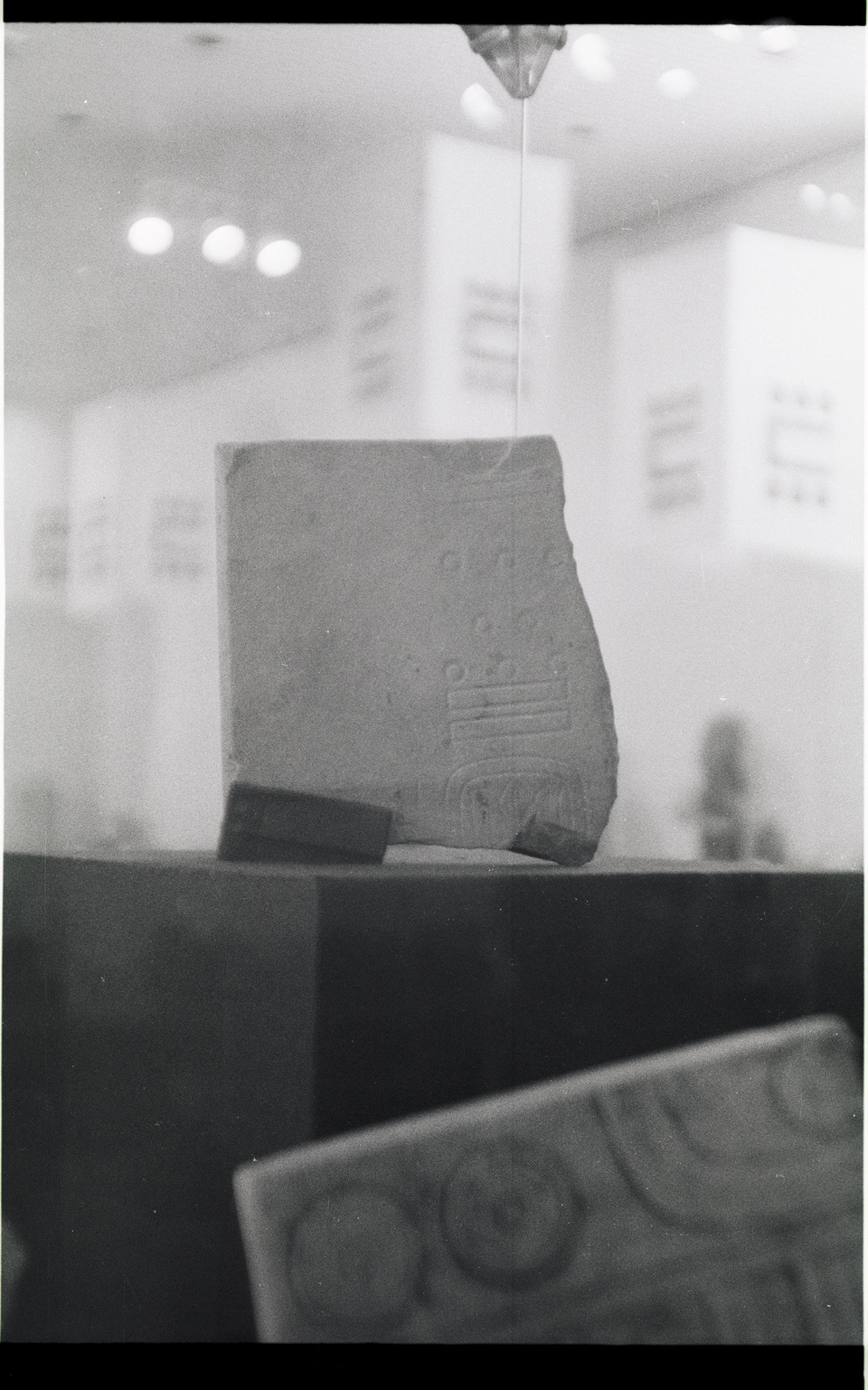
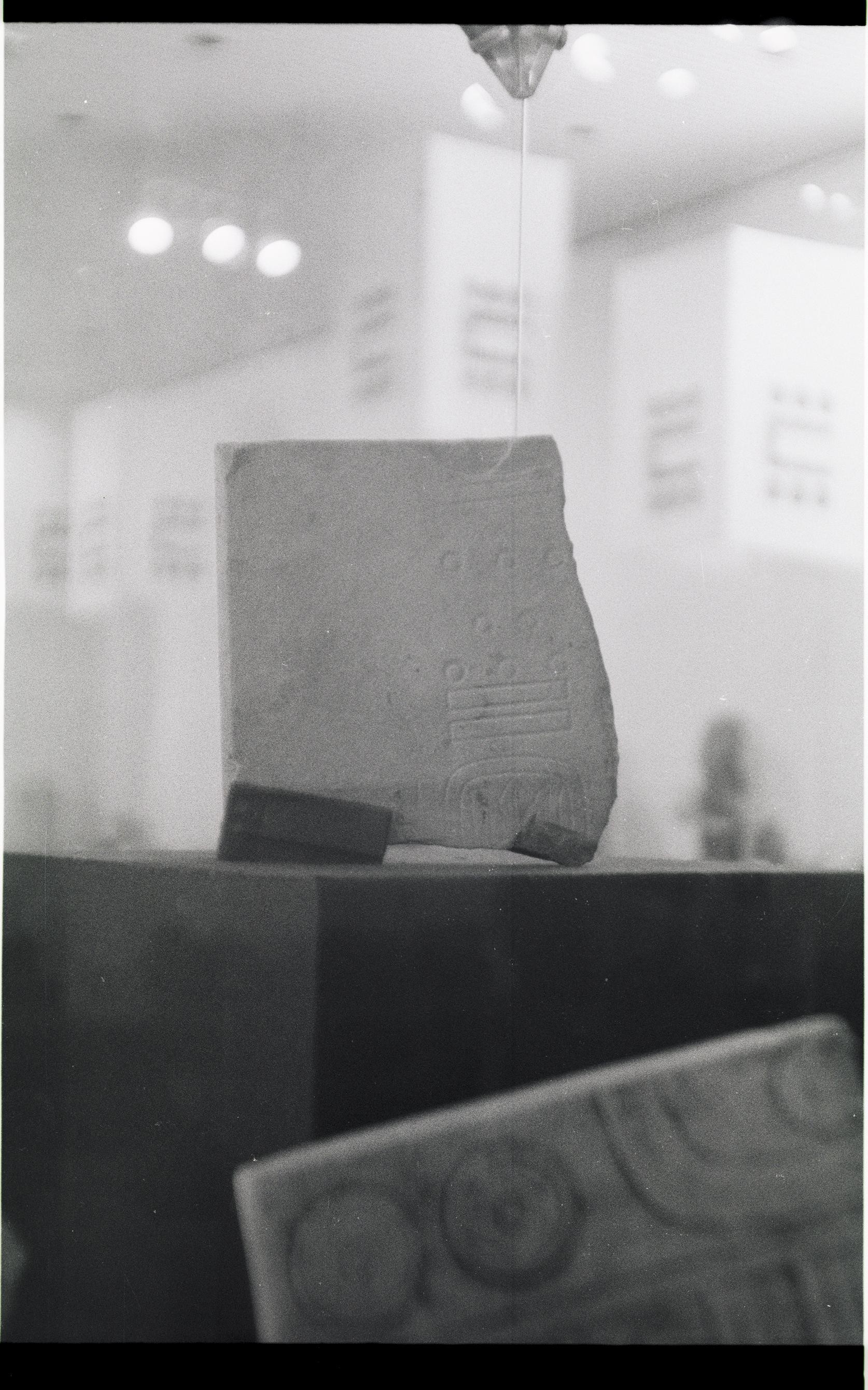
Researchers discuss the early history of zero among the Maya and their neighbours more cautiously than some popular accounts do. The so-called Stela 2 from Chiapa de Corzo is often mentioned: more precisely, a surviving panel fragment with an early Long Count inscription usually associated with approximately 36 BCE. Because the monument is fragmentary, its reading and reconstruction have repeatedly been discussed in scholarly literature; this complex archaeological question should not be turned into a sensation. It is more accurate to call Chiapa de Corzo one of the most important early witnesses to the development of extended calendar counting in Mesoamerica. Such monuments reveal this tradition’s ancient roots.
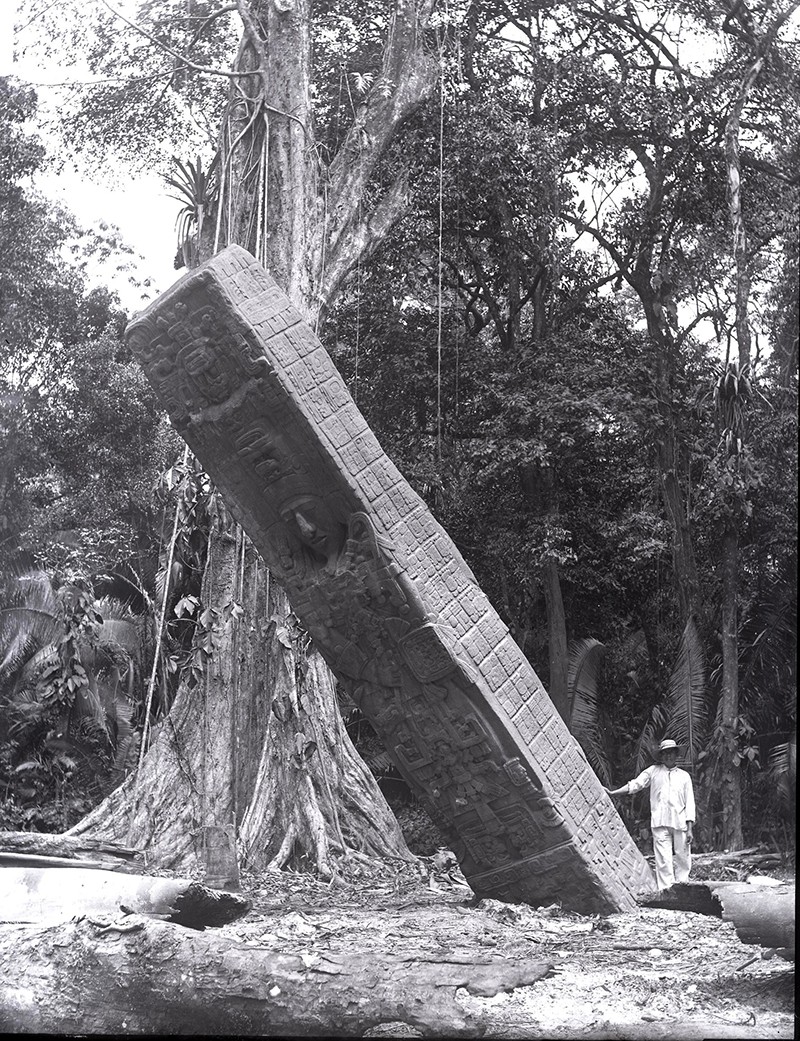
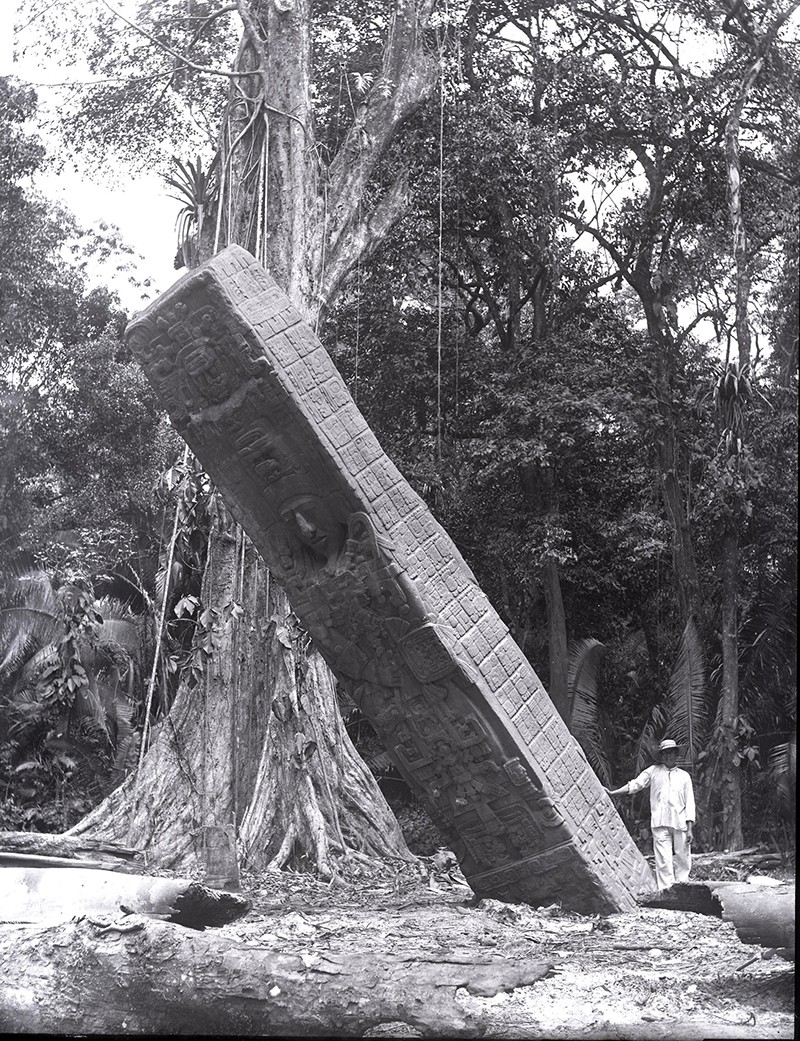
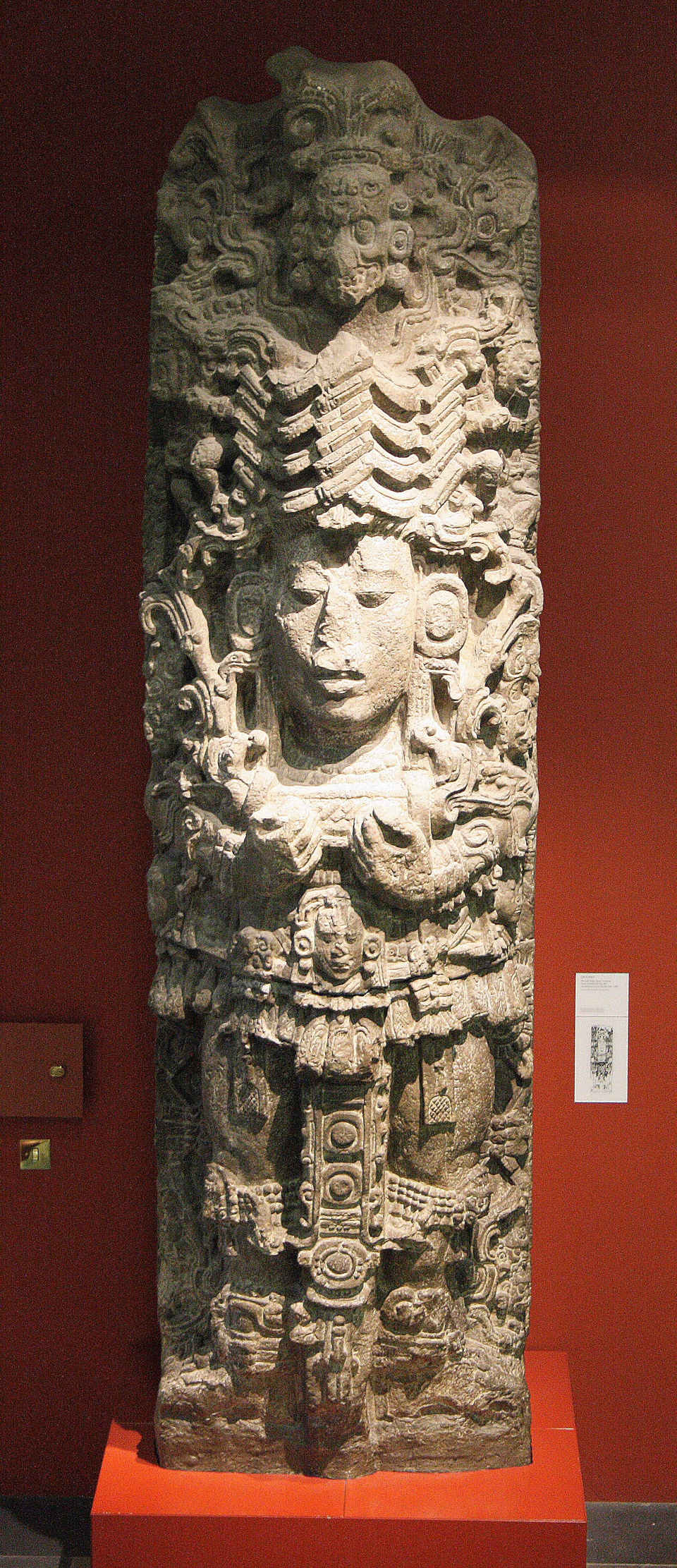
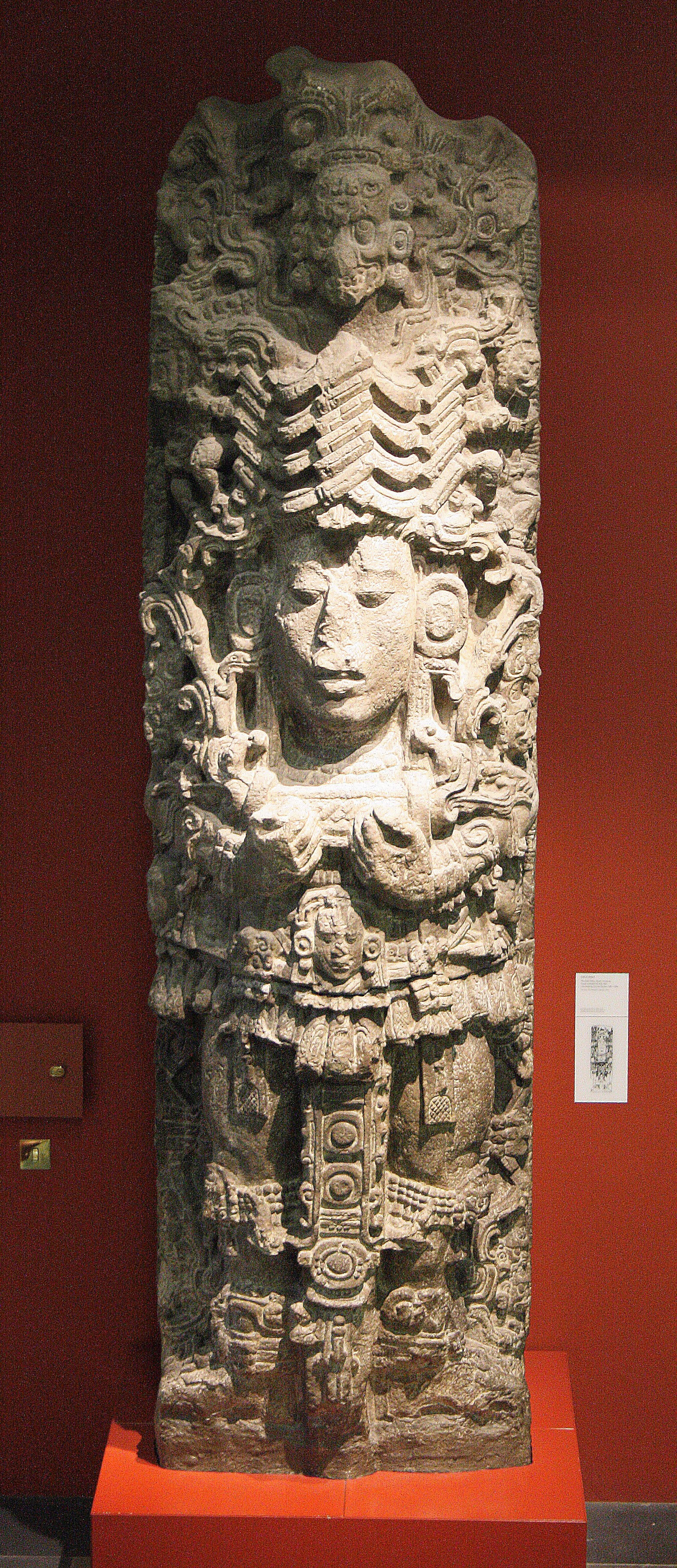
Later, better-preserved monuments are much clearer. The famous Stela E at Quiriguá, for example, commemorates 9.17.0.0.0, or 771 CE. Here the zero places are plainly visible. These stelae were more than urban ornaments: they were stone chronicles uniting time, power and memory in one system. Maya mathematics was thus part of political and religious culture. A date on a stela is a number, a history and a symbol of world order at once.
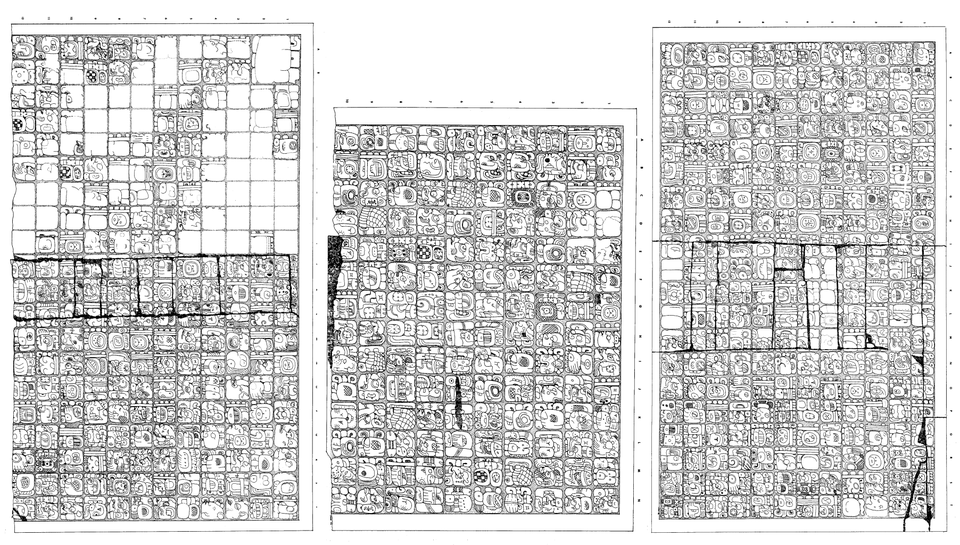
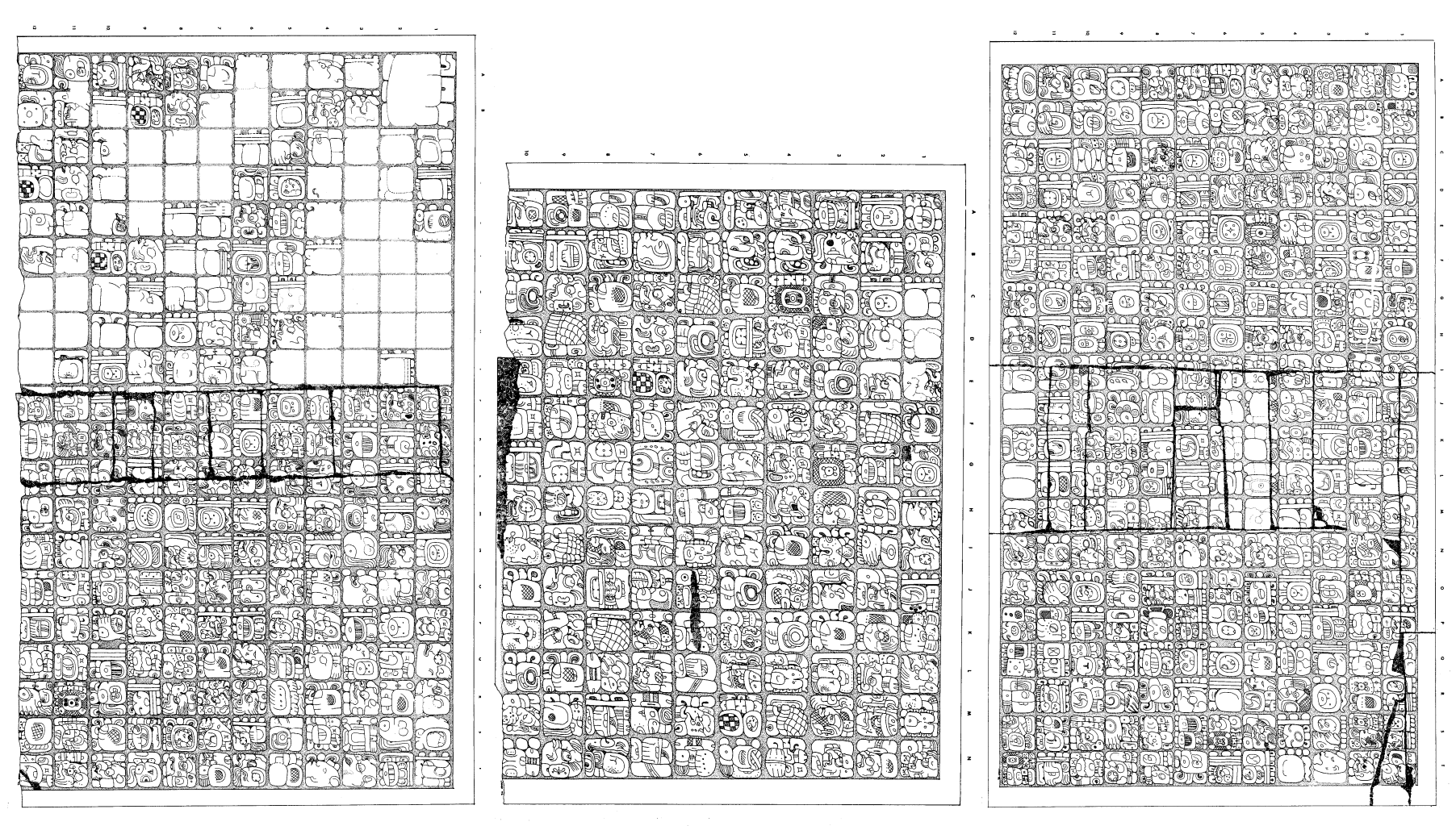
Palenque offers another important example. Its inscriptions, especially those associated with the Temple of the Inscriptions, show how closely writing, calculation and historical memory were intertwined. Long Count dates are incorporated into narratives about rulers, dynasties, rituals, the past and the future. This reminds us that ancient mathematics rarely existed “on its own.” It usually lived within society’s practical economic, astronomical, calendrical and political tasks.
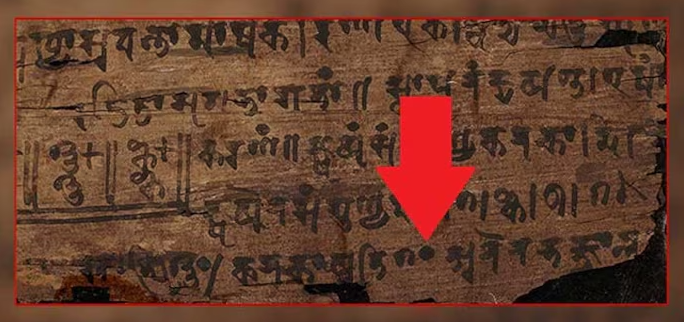
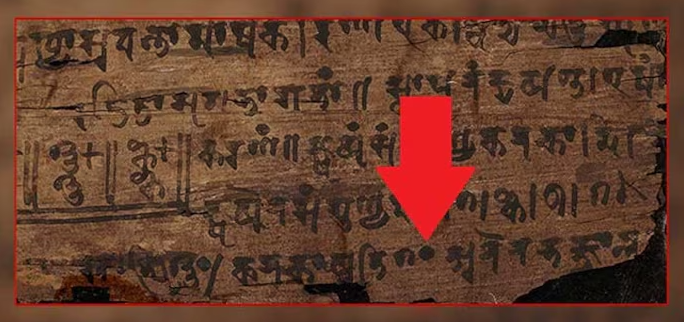
The history of zero becomes still more interesting in a broader view. In India, zero later developed as a number in its own right and then entered Old World mathematics through the Hindu-Arabic tradition. The Maya, however, reached their version of zero independently. This matters greatly: human thought does not follow a single path. Sometimes cultures separated by oceans and millennia find similar solutions because they face similar computational difficulties.
Maya zero also challenges the familiar school account in which mathematics supposedly travelled only from Greece to Europe, with everything else as background. Mathematical history is much broader, developing along many routes and in many centres. Maya zero is one of the strongest reminders of this. When Europeans still used notation systems without zero, Maya cities already had a developed positional numerical culture closely connected with astronomy and the calendar.